As digital product development becomes more agile and accessible, tools like Uizard have gained popularity for offering quick and intuitive user interface (UI) and user experience (UX) design capabilities. Uizard, an AI-powered design tool, allows users to turn hand-drawn sketches into digital mockups, create prototypes, and collaborate in real-time. While it’s a favorite among startups, non-designers, and teams aiming for rapid prototyping, it may not fit every user’s needs in terms of features, pricing, or flexibility. Fortunately, there are several solid alternatives to Uizard in 2025 that cater to various design and development workflows. In this article, we will explore some of the top Uizard alternatives and highlight what makes each one worth considering.
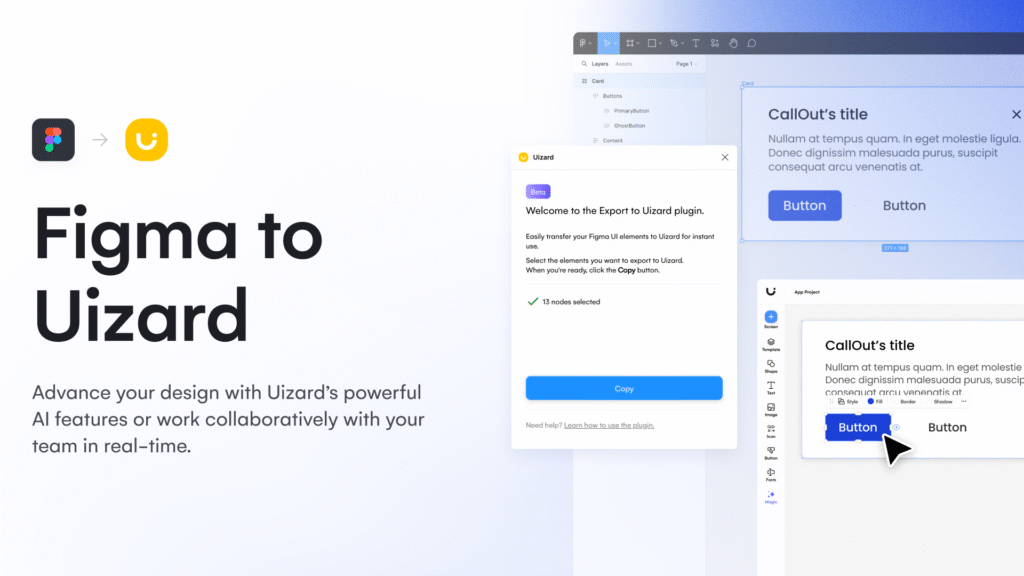
Figma – The Leading Collaborative Design Platform
Figma continues to dominate the UI/UX design landscape as one of the most powerful and widely adopted design tools. Unlike Uizard, which focuses heavily on uizard alternatives AI-assisted design and ease-of-use for non-designers, Figma is tailored for professional designers who require precision, component-based design systems, and deep collaboration features. One of Figma’s core strengths lies in its browser-based interface, which allows for seamless real-time collaboration, making it ideal for distributed teams. It supports vector editing, prototyping, version control, and even integration with tools like FigJam for whiteboarding. For users who have outgrown the limitations of Uizard’s simplified approach and want a more robust tool with a vast plugin ecosystem, Figma is a top-tier alternative.
Adobe XD – Ideal for Designers in the Adobe Ecosystem
Adobe XD is another strong alternative to Uizard, particularly for those already working within the Adobe Creative Cloud suite. While it doesn’t offer AI-powered features like Uizard, Adobe XD excels in interactive prototyping, smooth transitions, and voice interaction support. Its integration with tools such as Photoshop and Illustrator allows for a streamlined workflow, especially for design teams focused on visual fidelity and branding consistency. Adobe XD also supports collaborative features, including coediting and design specs sharing for developers. Its pricing is competitive, and for many experienced designers, the familiarity of Adobe’s interface makes it a natural choice.
Sketch – The Pioneer of Modern UI Design
Sketch is often credited with revolutionizing UI design in the past decade. Although it’s macOS-only, Sketch remains a favorite among designers who appreciate its focus on simplicity, powerful vector editing tools, and plugin extensibility. Unlike Uizard, which emphasizes speed and automation, Sketch gives designers full creative control over every element of their UI. It supports prototyping, shared libraries, symbols, and collaboration through Sketch Cloud. While it may not have built-in AI features, the Sketch community has created plugins and integrations that extend its capabilities far beyond its core offering, making it an excellent Uizard alternative for Apple users.
Framer – For Interactive Prototyping with React Code Support
Framer offers a unique mix of design and code, making it an ideal Uizard alternative for teams that need to prototype complex interactions and transitions. Unlike Uizard, which is geared toward low-fidelity wireframing and fast mockups, Framer enables designers to create high-fidelity, interactive prototypes that closely mimic the final product. What sets Framer apart is its support for real React components, which means prototypes can be closer to production-ready code. Framer has also introduced AI-assisted layout features, narrowing the gap between design speed and control. It’s best suited for designers and developers who want to bridge the gap between static mockups and functional interfaces.
Penpot – Open Source and Developer-Friendly
For users who prefer open-source tools or work in development-heavy environments, Penpot presents a compelling alternative to Uizard. Penpot is a web-based design and prototyping tool that prioritizes open standards and collaboration between designers and developers. It is free to use and offers features such as component systems, prototyping, and team collaboration. While it lacks some of the polish and automation seen in Uizard, Penpot’s transparency and flexibility make it attractive to teams that value open tooling and cross-discipline workflows. Since it’s open source, it also allows for customization and self-hosting, which can be a deciding factor for enterprise teams with specific privacy or infrastructure requirements.
Conclusion
While Uizard remains a great option for quick design iterations and AI-powered prototyping, its alternatives offer varying strengths that may be better suited to different use cases. Figma leads in collaborative design, Adobe XD integrates well with other Adobe tools, Sketch offers a clean, extensible interface for macOS users, Framer bridges the design-to-code gap, and Penpot provides an open-source, developer-friendly approach. Choosing the right tool depends on your team’s needs, technical skill level, and workflow preferences. Exploring these Uizard alternatives can help you unlock new creative possibilities and streamline your product development process in 2025.
ChatGPT c